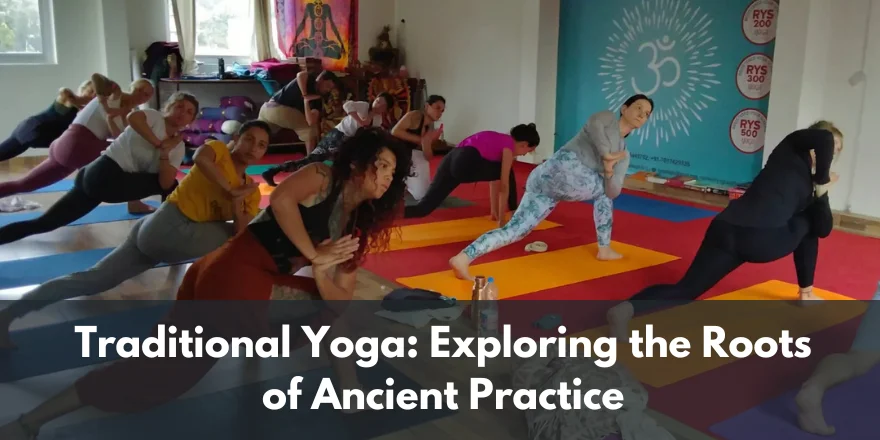
One of the best Indian gifts in the world is Yoga. Modern yoga is all about fitness and the cool workout, whereas traditional yoga brings us to the origins of yoga. It is a whole body, mind and soul process that interconnects with higher consciousness.
Contrary to what those who practice modern yoga are made to believe yoga is not about stretching or getting into the perfect posture but it is all about discipline, discovering oneself, and awakening to the spiritual world. In the paper, we will discuss the richness of the traditional Indian yoga, the importance of the traditional yoga postures, traditional yoga clothing, traditional yoga classes, and the importance of rediscovering this tradition today.
What is Traditional Yoga?
Traditional yoga is the original yoga as stated in the ancient Indian books. It is a lifestyle, which integrates bodily, psychological and spiritual transformation. The main yoga concept in tradition is that of union – identifying the self with higher consciousness.
Modern yoga is seen as a physical exercise whereas traditional yoga is a combination of asanas with pranayama (breathing exercises), meditation and morality like telling the truth or being not violent. It is in short a total self-transformation.
Indian Yoga The Old School: Beyond physical exercise.
Within India, the yoga tradition has never been regarded as a form of exercise. The old fashioned Indian yoga is based on spirituality and it is guided by rules of ancient texts such as Yoga Sutras of Patanjali and Bhagavad Gita.
Not just the physical poses are to be followed, but also the moral codes, the methods of breathing and meditation, the devotion. This renders yoga more of a lifestyle and not a workout program. Since ancient times, yoga has been regarded as a gateway to wisdom and enlightenment, rather than power and flexibility, by yogis.
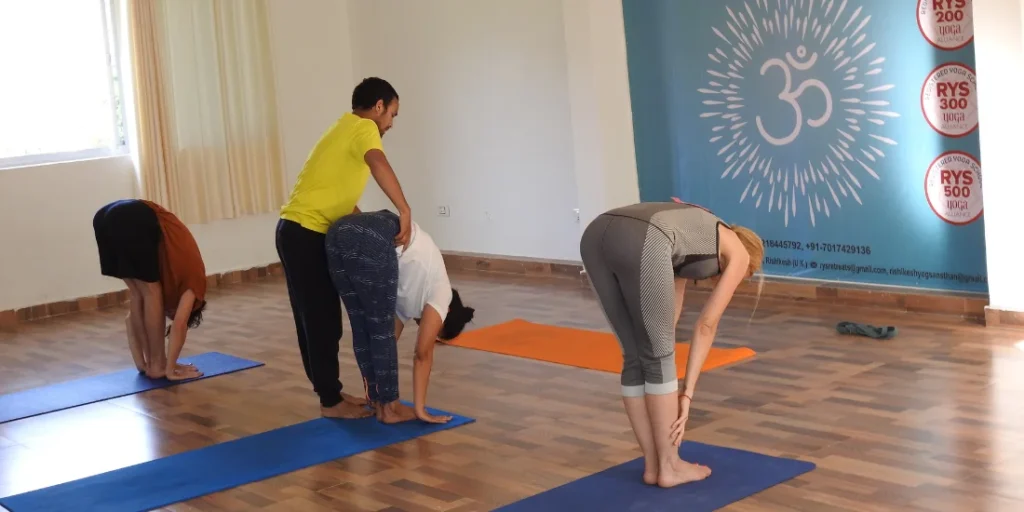
Yoga in India:The Living Tradition.
India is the yoga capital and the practice is still maintained in its original form. In India, traditional yoga is possible in ashrams, temples, and spiritual retreats. Rishikesh, Haridwar, and Varanasi cities have thousands of seekers who come to the city to learn yoga in its purest form.
Rishikesh, the so-called Yoga Capital of the World, has dozens of ashrams where people live every day and do nothing but meditate, chant and learn yogi. In Kerala, yoga has been used to cure people with the aid of Ayurveda, and the Himalayan areas seem to maintain tranquility and calmness. In such an environment, yoga has been more of a spiritual process and not a fad.
Classical Yoga postures: The Principle.
Asanas are a significant component of yoga, whereas classic yoga asanas are not purely related to flexibility or physical show. They serve to coordinate energy, train the body to meditate and achieve discipline.
Indicatively, Padmasana (Lotus Pose) is a pose that assists in the achievement of mental calmness. Cobra Pose (Bhujangasana) enhances the strength of the spine, and chest opener (Tadasana) improves awareness and stability. Some of the more advanced asanas (such as Shirshasana (Headstand)) are done not just for their physical benefits, but also to improve focus and concentration.
Each pose has its intention which extends beyond the physical body – it plays an important role in the all round growth of a practitioner.
Dressing in Traditional Yoga.
A frequently neglected aspect of yoga is the dressing code. Traditionally, people did not dress to suit fashion but to suit their purposes or in accordance to yogic principles. The Indian yoga attire is basic, conservative and constructed out of breathable materials such as linen or cotton.
The meaning is that clothes must never limit the movements or distract a practitioner. A men one-piece dhoti or pajama, a women one-piece saree or salwar kameez have existed since ancient times. These garments are so simple, because the yogic way is so simple and grounded.
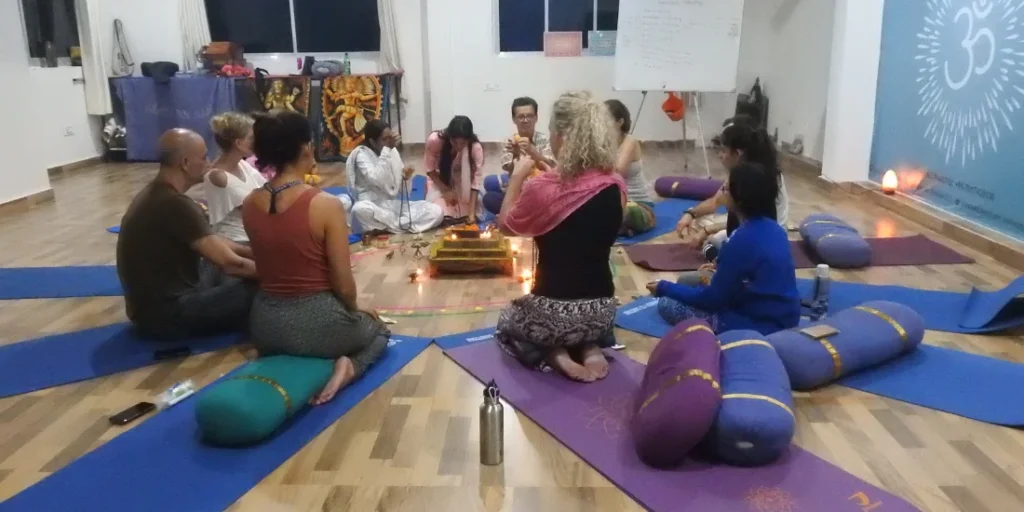
Yoga Dress: Simple But Not Style.
The conservative yoga costume is culturally and spiritually important. Clothing became lightweight, simple and comfortable, and this feature enabled practitioners to focus solely on yoga practice and not look.
In the case of male, it was a loose kurta white dhoti or pajama. Women wore in sarees or salwar suits made in such a way that they were free to move. Individuals of either sex in ashrams wore an angavastra (a plain cloth thrown over the shoulders) as a sign of restraint.
Modern yoga apparel takes up much space in fitness centers and yoga studios today, yet numerous yoga enthusiasts still like to wear traditional yoga garments in order to remain true to their identity.
Regarding modern yoga, the clothing is conveniently adjusted, yet the spirit of yoga clothing cannot be disregarded. Most brands are currently creating yoga wear based on traditional fabrics and cuts. Reflections of old and new can be seen in cotton yoga pants, environmentally friendly tunics, and breathable kurtas.
This modification allows remaining faithful to the tradition of yoga in the context of modern requirements. It is always good to choose natural fabrics, simple designs, and loose fits so that your yoga clothes can help you to focus on your goal and practice discipline rather than a way to distract.
Conventional Yoga classes: Exploring the Original path.
By joining conventional yoga classes, one gets an opportunity to learn yoga the way it was originally to be practiced. To distinguish the traditional classes, unlike modern studios, which might be interested in burning calories or quick effects, traditional classes are aimed at slow progress and a full development.
These classes will most likely include:
- Satkara- asanas, pranayama and meditation.
- Philosophical, lifestyle, and ethics counseling.
- Mental focus through group chanting and reciting of mantras.
- Asarham trained or guru disciple teachers.
This will assist the students to develop physical strength as well as discipline, inner peace and spiritual awareness.
Advantages of Practicing Traditional Yoga.
The traditional yoga has many advantages beyond the physical body. Though physical strength, flexibility and posture are enhanced through unremitting practice, other benefits are more profound.
Conventional yoga promotes the quality of mind that is not stressful or anxious due to the brevity of breath and meditation. On the emotional side it makes one feel relaxed and strong enough to cope with hardships. Spiritually, it leads personalities to spiritual consciousness and self realization.
Contrary to other short-term fitness practices, a traditional yoga program establishes harmony in your life, resulting in healthy eating, improved sleep, and increased inner discipline.
Introduction to the Traditional Yoga.
One does not have to prepare so hard to go into traditional yoga. Sincerity and consistency is the most crucial step. Some simple postures, such as Tadasana or Sukhasana, allow beginners to gradually introduce pranayama and meditation into their practice.
Wearing vintage yoga can assist in the development of the appropriate mindset and reading the classical works such as the Yoga Sutras may contribute to the further enhancement of knowledge. To feel the practice to the fullest and to have a more structured learning experience, the best approach is to join the traditional yoga class or retreat.
Only 20-30 minutes a day can change the situation gradually. Gradually, yoga transforms to become more of a lifestyle rather than a practice of balance, mindfulness, and harmony.
Conclusion: Returning to the Essence of Yoga
Yoga is more popular now than ever, with the world being full of stress, distractions, and various other causes of stress. However, the true strength does not reside in the contemporary changes but returning to the past. With traditional yoga, one has a means of balancing body, mind and spirit and achieving peace and balance, which is something that modern tendencies do not pay much attention to anymore.
Traditional yoga gives us an opportunity to not only celebrate the origins of yoga through traditional yoga practices (asanas), but also through the traditional Indian yoga attire, and traditional yoga classes that teach us the deepest insights into yoga. This is an eternal journey that keeps guiding the seekers to simplicity, mindfulness, and spiritual awakening.
FAQs About Traditional Yoga
1. How are traditional yoga and modern yoga different?
Traditional yoga is centered on the totality of body, soul and mind and is conducted by means of asanas, meditation and philosophy. Physical exercise and flexibility is so much emphasized in modern yoga. Both practices are beneficial, but traditional yoga maintains the spirit of the practice.
2. What does traditional yoga dress mean?
Modesty, comfort and simplicity are paramount to the traditional yoga dress. It is crafted out of breathable cotton or linen and lets the practitioners move around without being distracted. Humility is another significant part of the yogic path, and the clothing illustrates it.
3. Can the novice traditional yoga practitioner?
Yes, newbies are advised to start with traditional yoga. The practice will start with basic poses, breathing, and meditation under the guidance of the advanced instructors. The practitioners get advanced with time.
4. Are the conventional yoga pose simply exercises?
No, classical yoga poses are meant to train the body in anticipation of a higher awareness called meditation. As they develop strength and flexibility, it is only their main intention to discharge energy, relax the mind and instill discipline.
5. So why do we still need traditional yoga in the present day?
Modern life causes problems, and traditional yoga solves them, namely stress, anxiety, and imbalance. The wisdom of it is immortal and provides all the health of the body, all the balance of the spirit and the soul, and it is as topical to it today as it was thousands of years ago.